Metal Machining
——
Brass CNC Machining Service
Brass CNC Machining Service
Top Brass CNC Machining Parts Manufacturer and Supplier in China
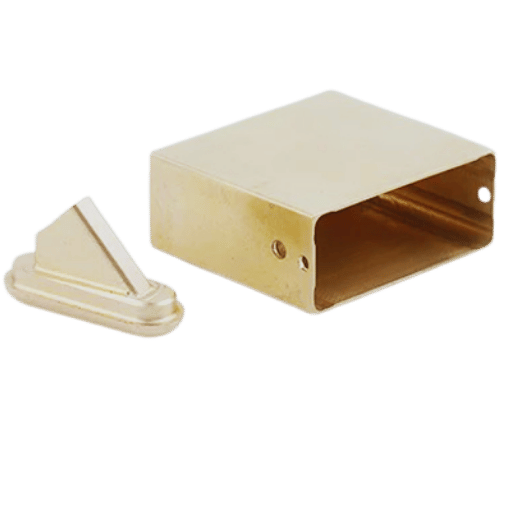
Our service in CNC Machining of brass provides industries with expertly made brass components. With the aid of CNC Technology and top-tier materials, we explicitly manufacture parts that require utmost precision, strength, and reliability. Regardless of the scope, whether prototype or bulk, we fulfill your requirements and timelines.

SPECIALIZED FACTORY

ECONOMICAL PRICING OPTIONS

ON-TIME DELIVERY

PERFECT CUSTOMER SERVICE

Experience Precision with Our Custom Brass CNC Machining Services

Custom Brass Components: Tailored for various industries, meticulously crafted.
CNC Process: Consistent and repeatable precision in intricate machined features.
Alloys Selection: Tailored to perform expertly.
Brass Benefits: Easy to fabricate, resistant to mechanical and environmental deterioration.
Project Precision: Exceptional alignment and finishing.
Advantages of Brass CNC Machining
Brass CNC machining carries significant advantages like accuracy, effectiveness, and sturdiness which provide dependable, high-class manufacturing throughout different sectors.
Unparalleled Accuracy
Advanced CNC equipment guarantees intricate contours are achieved within specified tolerances.
Economical
Cost relative to task complexity is diminished due to machining rate and material wastage.
Adaptable
Accommodates small, fine-featured pieces and large, bulk components alike.
Resistant
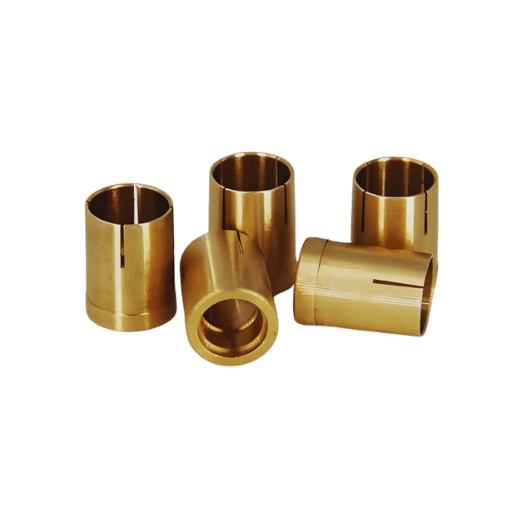
Elements are constructed to serve in extreme conditions and are protected against corrosion
Agile
Ability to manage production of prototypes and models in small quantities, as well as pieces in bulk.
Identical Standards
Achieves desired quality throughout all production cycles.
Why Choose Brass for CNC Machining?
How Does Precision Brass CNC Machining Work?

Cost Efficiency: Precise and accurate machining of brass can be carried out quickly and inexpensively, making it exceptionally useful in intricate designs.
Strength: Battleship-grade strength and corrosion resistance make marine applications easy.
Environmentally Friendly: Because brass is easily recyclable, it minimizes waste, and prolongs tool life.
Multi-Functional: Brass is utilized in electrical, decorative, and functional tasks due to its chemical and mechanical properties and mechanical strength.
Process Overview: CNC machining shapes brass into various components employing CAD designs alongside computer-controlled tools to maintain precision and detail.
Applications: Used widely in automotive and aerospace, electronics, plumbing, and also in decorative works as valves, connectors and fittings.
Key Advantages: Observes strict tolerances, preserves quality throughout, reduced operational costs, and tool wear all in the same process.
Material Benefits: Offering excellent machinability along with corrosion resistance and thermal conductivity, brass is also aesthetically appealing, making it ideal for precision manufacturing.
why choose our Brass CNC Machining Service
Advanced CNC Technology: Complex and efficient workflows can be achieved through 3-axis, 4-axis, and 5-axis CNC systems.
Tailored Customization: Prototyping and bulk production of various materials and customizable finishes is unrestrained.
Uncompromising Quality: Inspections for dimensional accuracy and material compliance are conducted cross all stages ensuring extreme precision and accuracy.
Quick Quoting: Commencing the project receives instantaneous detailed cost breakdowns.
Sustainability & Support: Altruistic policies, as well as stellar customer service from beginning until project deliver, coupled with material recycling makes for eco-friendly techniques.
What Our Client Says
Understand from our clients what they say about doing business with us and the unique value addition we provide.
“Industry leading quality and turnaround time. Every part integrated flawlessly within our assembly line.”

James L.
Auto Manufacturer
“We received the brass fittings from the manufacturer and to our surprise, they exceeded all expectations in every way. Professional service throughout the entire process."

Carla D.
Plumbing Contractor
Expert Guides to aluminum custom CNC machining
Can a CNC machine cut brass?
Certainly, with the proper tools and set up, a CNC machine can cut brass fine. Brass is known for its durability and machinability, making CNC machining brass one of the most sought after options. As with every machining, optimized cutting tools, feed rates, and speeds will guarantee the best results.
What is the best machine to cut brass?
A high-power fiber laser cutter is the most effective tool for cutting brass. Fiber laser cutters carve out designs with perfect accuracy, and their efficiency is unmatched, especially when it comes to dealing with materials like brass which are characterized by high reflctivity. When it comes to speed and precision, nothing else can beat the fiber laser cutter.
Is brass good for machining?
Machining brass is quite easy, owing to its high self machinability, high ductility, and ability to yield intricate and precise parts. Durable and dependable components is what industries demand, and the unique properties of brass make it a top choice.
Is brass hard to CNC?
Due to the ductility and excellent machinability of brass, it is easy to machine with a CNC. Its low friction coupled with softness guarantees precision and cleanliness during the CNC machining process. If efficient machining is the goal, brass stands out as a premier option in CNC projects alongside other materials.
What is the best way to machine brass?
The optimal method of machining brass is with CNC machines coupled with appropriate tools and techniques. For best results, do not apply cutting fluids, as they are not necessary when machining brass. Ensure the workpiece is securely clamped to eliminate the chance of damage or grabbing during the machining process. Efficient machining of brass while maintaining quality can be achieved by following the instructions provided.
What is the machining tolerance for brass?
Brass machining can achieve tolerances of extremely high precision with accuracy reaching 0.005 mm. The tolerance achieved is contingent on the machining process selected as well as the intended use. Due to its strength and versatility, brass is a preferred material in precision machining.
Why is brass so easy to machine?
Brass is a highly machineable material which increases its effectiveness for construction and machining work. Its high tensile strength, excellent malleability, and the addition of lead in some alloys reduces tool wear and increases production speed. Tooling and die brass is often used in precision machining and high speed manufacturing processes.
What is the machinability rating of brass?
Free-Cutting Brass (C36000) holds a 100% machinability rating—an industry benchmark in the machining field. This C36000 brass rating places it amongst the leading alternatives for manufacturers seeking efficient, high-grade machining results.
Why Brass is Good for Machining
Known for its durability and thermal conductivity, brass is an excellent material for machining as it is easily machinable. Its low friction and resistance to wear make it ideal for high-speed machining and manufacturing processes. Brass is also reliable when it comes to precision components which makes it highly sought after in the automotive, electronics, and plumbing industries.
What are the Applications of CNC Machined Brass Parts?
Aerospace and Electrical Components: Brass is prized for its superior conductivity, thermal and electrical. That is why it is widely used in connectors, terminals, and heat sinks in aerospace and electrical equipment systems eh.
Plumbing and Hardware: Because of its resistance to corrosion and enduring nature, brass is appropriate for valve bodies, pipe fittings, and even the more decorative hardware fixtures. Moreover, its ability to withstand high pressure makes it unparalleled in other plumbing uses.
Automotive Industry: Brass is extensively used in carburetor components, fuel system parts and even decorative emblems and trims.
Instrumentation and Measurement: Its precision and stability makes brass the go to material for making gauges, valves, and even musical instruments for which it offers excellent acoustics.
General and Decorative Applications: The use for brass spans levers, gears, and ornamental forms like jewelry as well as an number of both practical and decorative tasks.
How to Start Your Brass CNC Machining Project?
Select An Appropriate Service Factory: Forge an alliance with a reputable CNC machining service that has up-to-date technology, as well as qualified CNC engineers.
Recognize The Features of Brass: Make use of the brass’s machinability, ability to resist corrosion, and malleability for different applications.
Choose The Most Appropriate Brass Grade: For precision, consider grade C360, and for strong materials grade C230/C260.
Optimize The Design For Manufacturing: Expend DfM guidelines to shape designs that balance cost with efficiency and meet predefined deadlines with precision.
Set Tooling: Plan the machine settings, cutting tools, and other configurations to maintain high standards in equipment cleanliness to guarantee quality standards.
Think About Surface Finishing: Buffing, electroplating, and powder coating are also effective ways to improve durability or enhance esthetic appeal.
Provide The Quality Assurance: Employ effective checks for every element of a finite set which is dimensional assessment and surface quality evaluation.
Meet The Logistics Plan: Discuss scheduled time of delivery with assigned time of production with your service.
Frequently Ask Questions
Q: How would you describe CNC Brass Machining in relation to other machining processes?
A: CNC Brass Machining is a subdivision of brass machining, where CNC machinery is used to accurately craft leads out of copper-zinc alloys. CNC operations ensure higher precision compared to other machining processes because of the involvement of computers, increasing the standard for brass parts cnc machining masterpieces.
Q: What types of brass can be used for CNC machining?
A: Different types of brasses, each with unique mechanical properties, can undergo CNC machining. Free-cutting brass, naval brass, and alpha brass are common types of brass, renowned for their good malleability, and high tensile strength.
Q: What industries typically utilize CNC brass machining?
A: The automotive industry, plumbing industry, and electronics industry utilize CNC brass machining to make various components. The irreplaceable need is for those components which are manufactured undergoing stringent quality standards cnc machining for strength and endurance.
Q: What are the benefits of using CNC brass for machining parts?
A: The benefits of using CNC brass for machining parts are numerous such as exceptionally good corrosion resistance, good thermal and electrical conductivity, alongside other mechanical properties sufficient for the demanding environments needed for precision parts.
Q: What surface finishes for CNC machined brass are available?
A: Previously mentioned, the surface finishes for cnc machined brass depend on the needs of the project. Some finishes that can be used include but are not limited to: polishing, plating, and coating; all of which improve the value and utility of the cnc parts.
Q: How does your Brass Machining Service ensure precision in CNC machined parts?
A: To maintain precision in brass cnc machined components, our brass machining service integrates modern cncs with skilled operators whose specialization is brass cnc machining. As part of our comprehensive offering of brass cnc machining services, we ensure that every design is constructed to the required specifications and tolerances.
Q: What is the role of rapid prototyping in CNC brass machining?
A: In relation to cnc brass machining, rapid prototyping is important because it is capable of producing sample parts and components in a very short amount of time. This assists in evaluating the practicality of a design’s concept and making modifications before large-scale manufacturing to ensure the outcome meets expectations.
Q: How do machining capabilities impact the quality of CNC machined brass parts?
A: The quality of cnc machined brass parts is clearly determined by the machining capabilities within a firm. More advanced machining capabilities permit more accurate cnc execution which enhances the detailing and complex shape construction possible without compromising the alloy integrity of copper and zinc.
Q: Why is precision CNC machining critical in producing quality brass components?
A: Ample precision is necessary for the quality of brass components, thus making precision CNC machining indispensable as it enforces all dimensional and surfacing standards set without possibility of deviation. It is this level of precision, paired with quality brass, which gives strength and reliability to the components needed in various industries.
Top

DuoXinDa
Precision Manufacture
Tel: 86 137-1189 0566 Eva
E-mail: eva.jiang@dxdprecision.com
© 2025 Dongguan Junlian Technology Co., Ltd. All Rights Reserved.
© 2026 DuoXinDa Precision Manufacture. All Rights Reserved.
